Read


The value chain as a framework for identifying international competitive advantage
In all stages in the value chain, there’s an opportunity for a positive contribution in the firm’s competitive strategy through performing some of the activities or process in the way that bring a competitive advantage in comparison with other competitors and if the firm can attain such a competitive advantage that’s profitable, defensible, and valued among the market, so it can earn high rates of returns.
In competitive terms value can be defined as the amount that the buyers are willing to pay for the products or services which the firm provide to them, “perceived value” when the value of the products or services which the firm provides to the customers exceed the costs of doing them, then the firm is profitable. And this is the goal of any generic strategy. The value chain displays total value and it consist of value activities and margins.
The value activities can be described as the physical and technological distinct activities, which the firms perform, as well as it’s the building blocks by which a firm creates a product or service valuable to the buyers Margin which can be described as the difference between the total value (price) and the total and collective costs of performing the value activities
Value chain activities can be defined as the key that link between the company resources and its strategic position within the global market. And on this point, one logic question emerge here that’s; when the company resources considered to be valuable? The answers is, the company resources could be valuable, when they are transformed into activities that generate either lower cost or greater value than competitors ( Sheehan and Foss,2009)
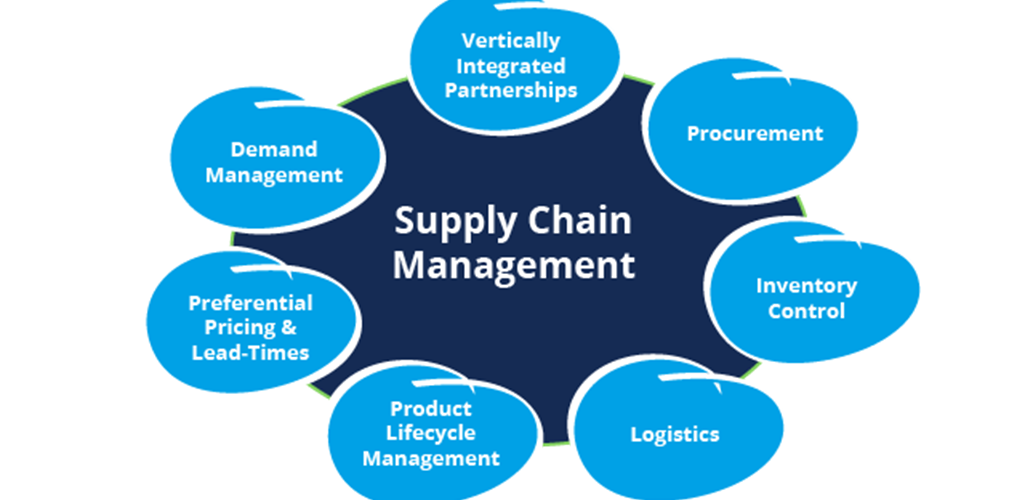
The firm might be able to identify elements of the value chain that aren’t worth the costs and this could be conducted outside the firm that called “outsourcing” hence the role of supply chain management emerge.
The value activities divided into 2 types
Primary activities are the activities involved in the physical creation of the product, as well as its sale and transfer to the buyer also the services after sales that can be technical assistance.
Support activities can be defines as the activities which support the primary activities and each other through providing purchased inputs, technology and Human resource as well as various and wider functions. The procurement, technology development and human resources management are related and associated with a specific primary activities and supporting the entire Chain.
So we can conclude that the value chain can be described as it’s not a collection of independent activities but it’s a system of integrated and interdependent activities either within one organization or within various different organizations.
“Figure shows the value chain as a framework for identifying international competitive advantage